Research
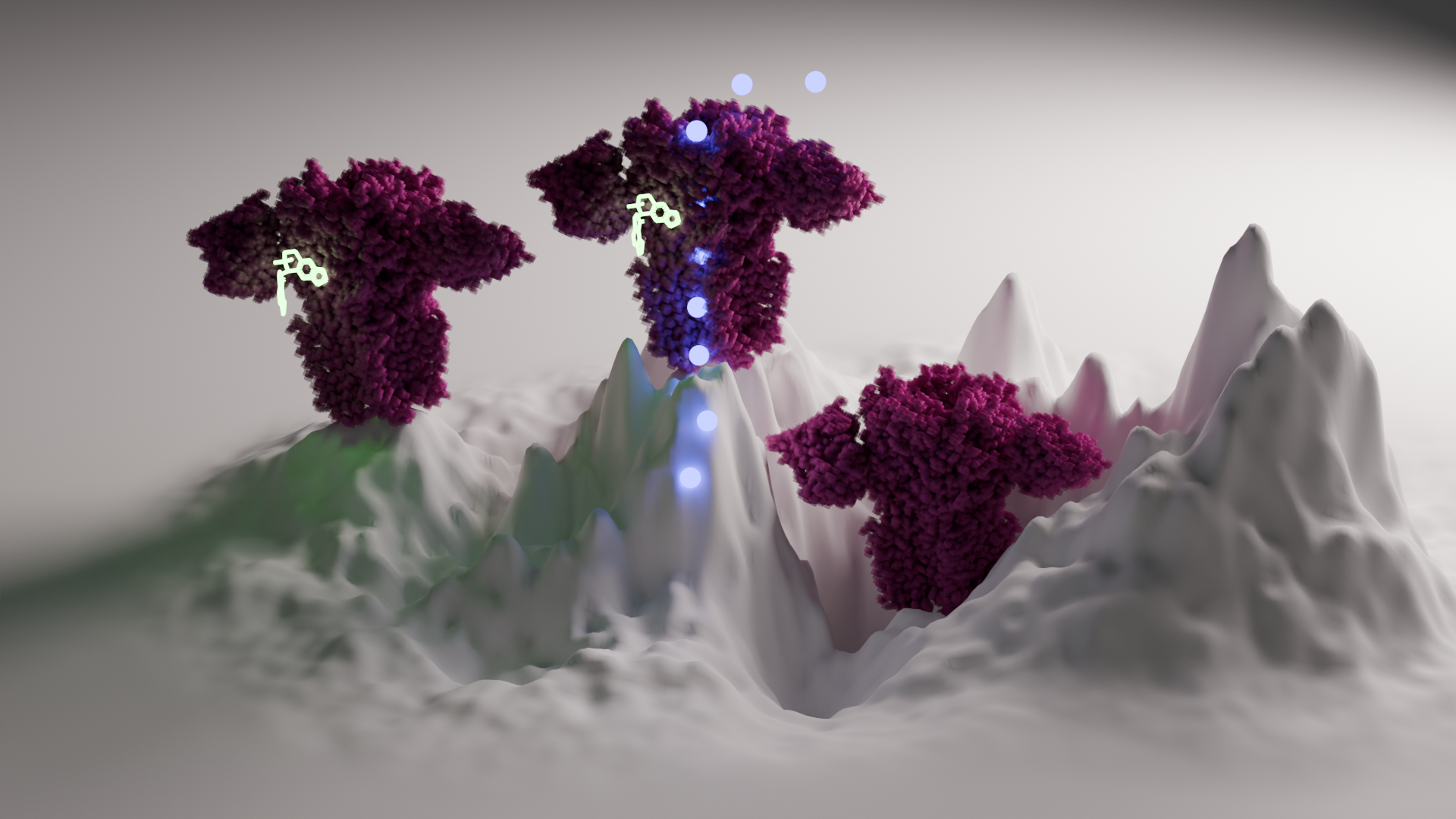
Bridging physics-based modeling, artificial intelligence, and cryo-EM to map protein conformational landscapes
The central goal of my research is to develop data-driven, physics-informed methodologies for characterizing macromolecular motions and understanding how drugs modulate these dynamics at atomic resolution.
Physics-based molecular dynamics (MD) simulations provide a powerful framework for following the time evolution of macromolecules and linking molecular motions to biological function. However, conventional simulations remain computationally limited in accessing the timescales over which many functionally important conformational changes occur.
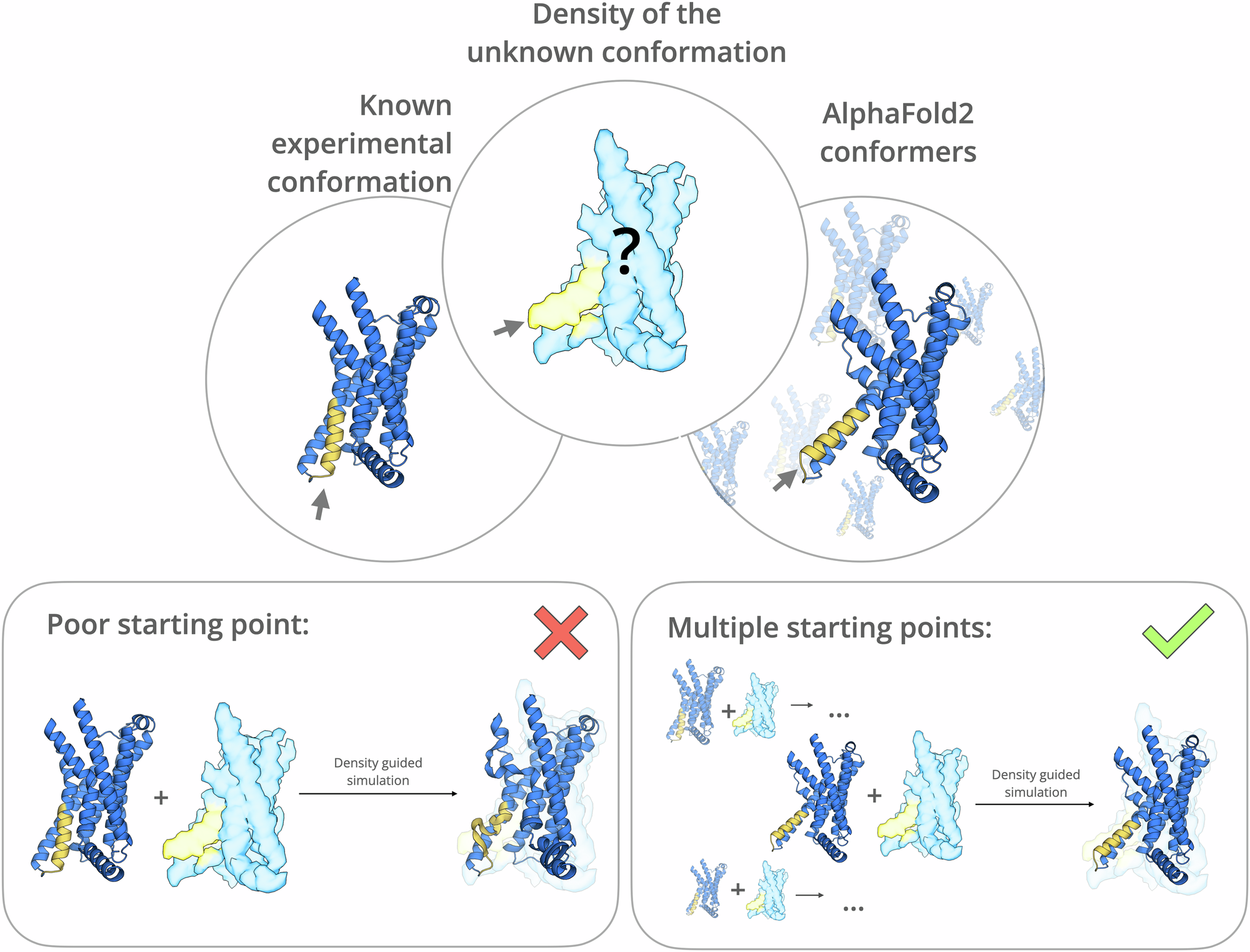
At the same time, artificial intelligence has transformed our ability to predict static protein structures. Tools such as AlphaFold have demonstrated the remarkable potential of data-driven approaches for structural biology. Yet, predicting and characterizing the conformational dynamics that underlie protein function remains a major challenge, in part because high-quality datasets describing molecular motion at atomic resolution remain scarce.
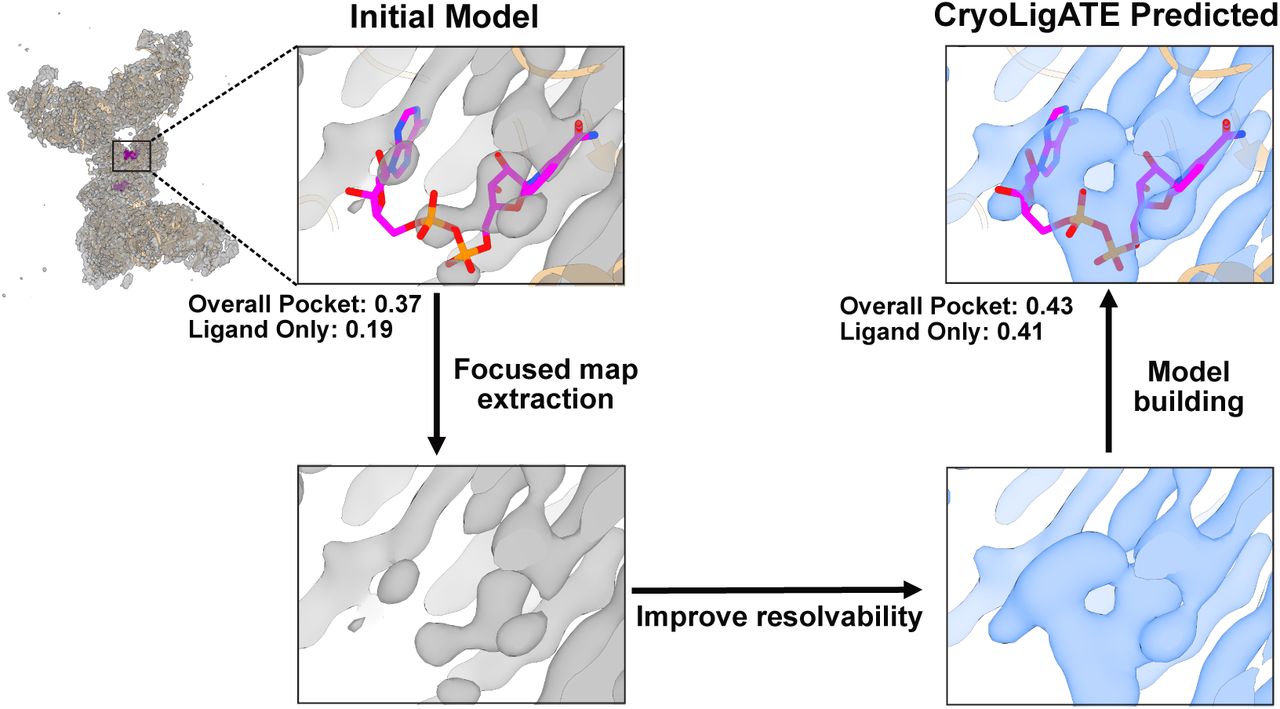
Experimental approaches such as cryogenic electron microscopy (cryo-EM), however, offer an exciting opportunity to address this limitation. Modern cryo-EM experiments can capture millions of heterogeneous molecular snapshots, providing an exceptionally rich source of information about protein conformational landscapes. Extracting meaningful structural and dynamical information from these data remains challenging because of experimental noise, conformational heterogeneity, and limitations in current computational methods.
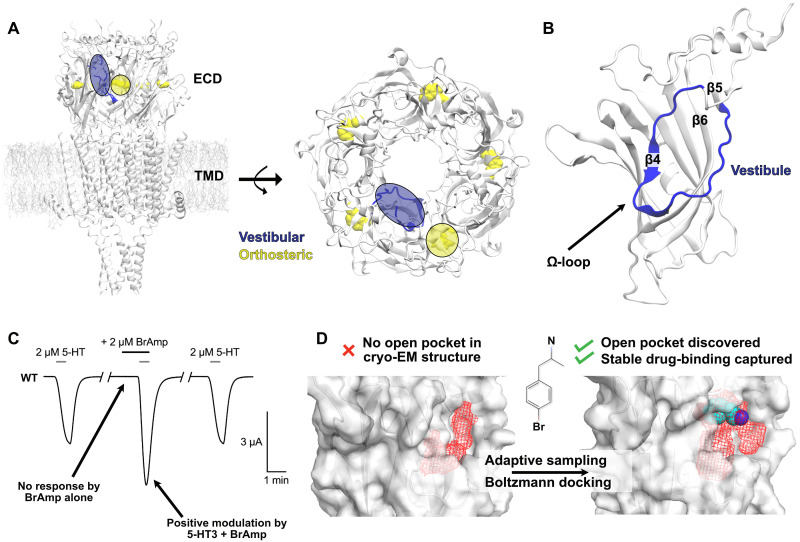
My research brings together the complementary strengths of physics-based modeling, artificial intelligence, and cryo-EM. By integrating these three perspectives, I aim to develop new computational frameworks for mapping protein conformational landscapes, connecting structure to function and dynamics, and understanding how small-molecule drugs reshape these landscapes.
Ultimately, my goal is to build quantitative approaches that bridge molecular simulation, experimental structural biology, and AI, enabling a more complete understanding of how macromolecular dynamics govern biological function and how they can be modulated therapeutically.